
Key Pointers:
- Difficulty breathing when lying flat may be a sign of orthopnea.
- Orthopnea can indicate fluid buildup in the lungs due to heart failure.
- Common related conditions include left-sided heart failure and pulmonary edema.
- Tests like echocardiograms and cardiac stress tests help confirm diagnosis.
- Recognising symptoms early can support better heart management.
What is orthopnea, and why does it happen when you lie down?
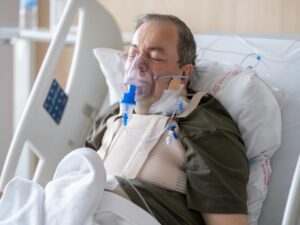
Orthopnea refers to shortness of breath that occurs when lying flat and improves when sitting or standing up. Some people find they need extra pillows or prefer sleeping in a more upright position to breathe comfortably.
This happens because when you lie flat, fluid that has pooled in the lower body during the day can shift toward the lungs. If the heart isn’t pumping efficiently, such as in left-sided heart failure, this extra fluid can make breathing harder.
Is orthopnea always linked to heart disease?
While orthopnea is commonly associated with heart failure, it can also occur due to other conditions, such as lung disease or severe obesity. However, in many cases, it serves as an early warning sign that the heart may be under strain.
When the left side of the heart struggles to pump blood effectively, pressure builds up in the veins of the lungs. This pressure causes pulmonary congestion, leading to breathlessness when lying down.
If you often wake up gasping for air or find it easier to sleep propped up, it’s important to get evaluated by a cardiologist in Singapore.
What does your sleeping position reveal about your heart?
How you sleep can sometimes reflect how your body compensates for heart-related symptoms:
- Sleeping on multiple pillows or sitting upright: may indicate discomfort or fluid buildup.
- Waking up short of breath at night (paroxysmal nocturnal dyspnea): can be a sign of worsening heart failure.
- Lying flat without issues: generally suggests normal lung and heart function.
Although these patterns alone do not diagnose a heart problem, they offer clues worth discussing with your doctor.
How do cardiologists in Singapore diagnose orthopnea and its causes?
When orthopnea is suspected, your cardiologist may recommend several investigations to understand the cause:
- Echocardiogram: an ultrasound of the heart that shows how well it pumps and whether fluid has built up in the lungs.
- Cardiac stress test: assesses how your heart responds to exertion and whether blood flow is restricted.
- Chest X-ray or CT scan: may show signs of pulmonary edema (fluid in the lungs).
- Blood tests: can measure cardiac enzymes and hormones that indicate heart strain.
Together, these tests help determine if heart failure or another cardiac condition is responsible for the breathing difficulty.
How can orthopnea and heart failure be managed?
Treatment focuses on improving heart function and reducing fluid overload. Your doctor may recommend:
- Medication: such as diuretics to remove excess fluid and drugs to support heart pumping.
- Lifestyle changes: lowering salt intake, maintaining a healthy weight, and monitoring fluid consumption.
- Regular monitoring: through follow-up visits and imaging like echocardiograms to assess progress.
If caught early, orthopnea can often be managed effectively, helping you rest easier and breathe better.
5 Common Questions About Orthopnea and Heart Failure
1. Is orthopnea the same as sleep apnea? No. Orthopnea is difficulty breathing when lying flat due to heart or lung issues, while sleep apnea is interrupted breathing caused by airway obstruction.
2. When should I see a cardiologist? If you frequently wake up short of breath or need extra pillows to sleep, it’s best to seek medical advice as soon as possible.
3. Can stress or anxiety cause orthopnea? Stress may worsen breathlessness, but persistent orthopnea usually has an underlying heart or lung cause.
4. Can an echocardiogram detect the cause of orthopnea? Yes. It can show if the heart’s pumping function is reduced or if fluid has accumulated due to heart failure.
5. Is orthopnea reversible? With proper management, medication, lifestyle adjustments, and follow-up care, symptoms can often improve significantly.
Key Pointers Recap:
- Orthopnea is difficulty breathing when lying flat, often linked to heart failure.
- It results from fluid buildup in the lungs due to left-sided heart strain.
- Early evaluation with tests like echocardiograms and stress tests helps confirm the cause.
- Managing blood pressure, salt intake, and sleep position supports recovery.
- Seeing a cardiologist early can help identify and manage heart issues before they progress.
Breathe Easier, Sleep Better, Start with a Heart Check at Forte
If you often need extra pillows to sleep or wake up feeling breathless, it may be time to check your heart health. At Forte Cardiology Clinic , we provide comprehensive heart assessments, including echocardiograms, cardiac stress tests, and heart failure management, to help uncover the cause of your symptoms.
Dr Yong Thon Hon (楊東翰 醫生)
Senior Consultant Cardiologist
MBChB (Aberdeen), MRCP (UK), FESC (Europe)
📍 3 Mount Elizabeth, #13-14, Mount Elizabeth Medical Centre, Singapore 228510
📞 +65 6322 7820 | +65 9772 4922
👉 Book an appointment today