
Key Takeaways
- Cardiac MRI benefits include highly detailed images of the heart’s structure and tissue.
- It can detect scarring, inflammation and subtle heart muscle damage.
- It helps assess complex heart conditions without radiation exposure.
- It supports clearer treatment planning when other test results are inconclusive.
When it comes to understanding your heart health, not all tests provide the same level of detail. While ECGs, echocardiograms and CT scans are useful, a cardiac MRI can reveal information that other tests may miss.
What Exactly Is a Cardiac MRI and How Is It Different?
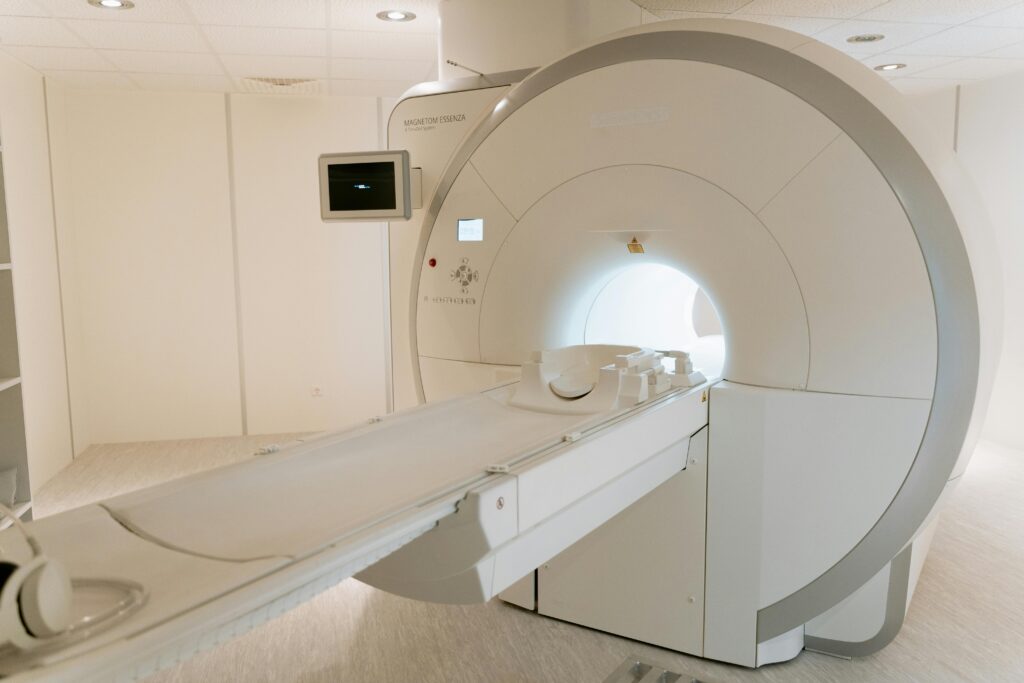
A cardiac MRI (Magnetic Resonance Imaging) uses magnetic fields and radio waves to produce highly detailed images of your heart. A cardiac MRI is unlike other tests as it,
- Provides high-resolution images of heart muscle.
- Differentiates between healthy and damaged tissue.
- Assesses blood flow and heart function in one comprehensive scan.
This ability to evaluate both structure and tissue health is one of the key cardiac MRI benefits.
Can a Cardiac MRI Detect Heart Muscle Damage That Other Tests Miss?
Yes and this is one of its most valuable strengths. A cardiac MRI can detect,
- Small areas of scarring after a heart attack.
- Silent heart damage that may not show obvious symptoms.
- Early heart muscle disease like cardiomyopathy before significant weakening occurs.
- Inflammation of the heart muscle like myocarditis.
- Infiltrative conditions, where abnormal substances accumulate in heart tissue.
Other tests may suggest a problem, but MRI can often confirm whether damage is reversible as well as how extensive the injury is. It can also let you know which areas of the heart are affected. This level of tissue characterisation is a major reason doctors value cardiac MRI benefits in complex cases.
Is Cardiac MRI Useful for Assessing Heart Function?
Absolutely. A cardiac MRI provides,
- Precise measurement of heart chamber size.
- Accurate evaluation of pumping strength (ejection fraction).
- Detailed assessment of heart valve function.
- Blood flow mapping in complex heart conditions.
Compared to some imaging methods, MRI often offers greater accuracy in measuring heart function especially in patients with complicated anatomy.
Who Might Benefit Most From a Cardiac MRI?
You may be advised to consider one if you have,
- Suspected cardiomyopathy.
- A history of heart attack.
- Unexplained heart failure.
- Inherited heart conditions.
- Congenital heart disease.
- Inconclusive echocardiogram results.
Your cardiologist will determine whether it is appropriate based on your symptoms and medical history.
Frequently Asked Questions
- Is a cardiac MRI safe?
Yes. It does not use radiation. However, patients with certain implanted devices should inform their doctor beforehand so suitability can be assessed.
- How long does the scan take?
A cardiac MRI typically takes between 30 to 60 minutes, depending on the complexity of the evaluation.
- Do I need special preparation?
You may be asked to avoid food or caffeine for a few hours before the scan. Specific instructions will be provided by your healthcare team.
- Is a cardiac MRI painful?
No. The scan is painless. You will need to lie still, and the machine can be noisy, but it does not cause discomfort.
Why Consider a Cardiac MRI at Forte Cardiology in Singapore?
Understanding the full picture of your heart health can make a significant difference in guiding appropriate care. The detailed information provided by a cardiac MRI can help clarify diagnoses and support informed treatment decisions.
At Forte Cardiology, patients in Singapore receive thorough evaluation and personalised assessment for various heart conditions. If you have ongoing symptoms, unclear test results, or concerns about your heart health, a consultation can help determine whether a cardiac MRI is suitable for you.
Take a proactive step towards clearer answers. Book a consultation with Forte Cardiology Clinic today to discuss your heart health concerns.