
Reduced blood flow to the heart is a common underlying cause of symptoms such as chest discomfort, unexplained fatigue, and shortness of breath. This condition is often linked to ischemic heart disease, where the heart muscle does not receive enough oxygen-rich blood to meet its needs.
Key Pointers
- Reduced blood flow to the heart is known as myocardial ischemia
- It is commonly caused by coronary artery disease
- Symptoms may include chest pain, breathlessness, fatigue, or reduced exercise tolerance
- Some people experience subtle or atypical symptoms
- Early evaluation helps reduce the risk of complications such as heart attack
What Does “Reduced Blood Flow to the Heart” Mean?
Reduced blood flow to the heart occurs when the coronary arteries, which supply blood to the heart muscle, are unable to deliver enough oxygen-rich blood.
This imbalance between oxygen supply and demand is referred to as myocardial ischemia.
It may happen:
- During physical exertion
- Under emotional stress
- When coronary arteries are narrowed or blocked
In some cases, reduced blood flow can occur even at rest.
What Causes Reduced Blood Flow to the Heart?
The most common cause is coronary artery disease (CAD).
How coronary artery disease develops:
- Fatty deposits (plaque) build up within the artery walls
- Arteries become narrowed and less flexible
- Blood flow to the heart muscle is restricted
- Oxygen delivery becomes insufficient during increased demand
Other contributing factors may include:
- High blood pressure
- Diabetes
- High cholesterol
- Smoking
- Age and family history
Why Does Reduced Blood Flow Cause Chest Pain?
Chest pain related to reduced blood flow is commonly referred to as angina.
This discomfort occurs because:
- The heart muscle lacks adequate oxygen
- Metabolic waste products accumulate
- Nerve endings in the heart muscle are stimulated
Angina may feel like:
- Tightness or pressure in the chest
- Heaviness or squeezing sensation
- Discomfort spreading to the arm, jaw, neck, or back
Symptoms often improve with rest or medication but should always be medically evaluated.
How Does Reduced Blood Flow Lead to Fatigue and Breathlessness?
When the heart does not receive enough blood:
- Its pumping efficiency may decrease
- The body receives less oxygenated blood
- Everyday activities feel more tiring
Breathlessness may occur because:
- The heart struggles to meet the body’s oxygen demands
- Fluid may accumulate in the lungs in more advanced cases
- Exercise tolerance becomes reduced
Fatigue and breathlessness are sometimes mistaken for ageing or low fitness, leading to delayed diagnosis.
Can Symptoms Be Different in Different People?
Yes. Symptoms of reduced blood flow to the heart can vary.
Some individuals may experience:
- Mild or intermittent chest discomfort
- Fatigue without obvious chest pain
- Shortness of breath during routine activities
Others, especially older adults or those with diabetes, may have atypical or silent ischemia, where symptoms are subtle or absent.
This is why assessment should not rely on symptoms alone.
Why Is Early Detection Important?
Identifying reduced blood flow early allows:
- Timely management of coronary artery disease
- Reduction of heart attack risk
- Better symptom control
- Improved long-term heart function
Without assessment and management, ongoing ischemia may lead to:
- Heart muscle damage
- Heart failure
- Acute coronary events
How Is Reduced Blood Flow to the Heart Evaluated?
A cardiologist may recommend investigations such as:
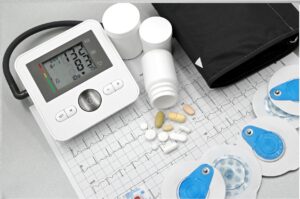
- Electrocardiogram (ECG) to assess heart rhythm and electrical changes
- Echocardiogram to evaluate heart structure and function
- Stress testing to observe heart response during exertion
- CT coronary angiogram to assess coronary artery narrowing
- Blood tests to assess risk factors
The choice of tests depends on symptoms, risk profile, and clinical findings.
5 Common Questions About Reduced Blood Flow to the Heart
1. Is reduced blood flow to the heart the same as a heart attack?
No. Reduced blood flow (ischemia) may occur without a heart attack. A heart attack happens when blood flow is suddenly and completely blocked, causing heart muscle damage.
2. Can reduced blood flow improve with treatment?
Yes. With appropriate medical management, lifestyle changes, and monitoring, blood flow and symptoms can often be improved.
3. Is chest pain always present with ischemic heart disease?
No. Some patients experience fatigue or breathlessness without chest pain, particularly women and people with diabetes.
4. Can stress or exercise trigger symptoms?
Yes. Physical exertion or emotional stress can increase the heart’s oxygen demand, triggering symptoms when blood flow is limited.
5. How often should follow-up be done?
Follow-up intervals vary and are determined by the cardiologist based on findings, symptoms, and risk factors.
Take Action Early: Understand What Your Symptoms May Be Telling You
Don’t Ignore Persistent Chest Discomfort, Fatigue, or Breathlessness
If you experience ongoing chest discomfort, unexplained tiredness, or shortness of breath, a heart evaluation can help identify whether reduced blood flow may be contributing.
At Forte Cardiology Clinic, assessments such as ECGs, echocardiograms, stress testing, and coronary imaging are used to evaluate heart health and guide management.
Dr Yong Thon Hon
Senior Consultant Cardiologist
MBChB (Aberdeen), MRCP (UK), FESC (Europe)
3 Mount Elizabeth, #13-14, Mount Elizabeth Medical Centre, Singapore 228510
+65 6322 7820 | +65 9772 4922
Book an appointment for a heart assessment today