
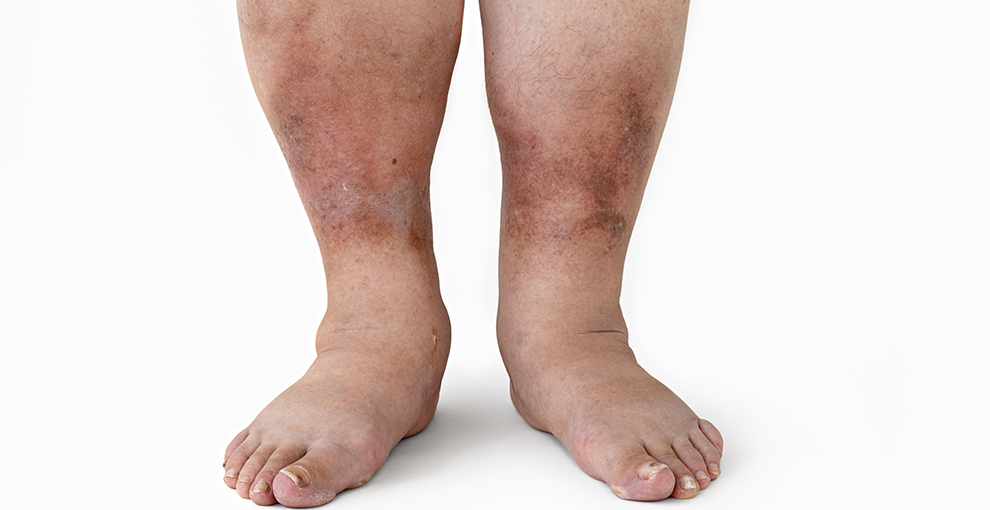
Leg swelling that appears slowly and without pain can be easy to dismiss. Many people assume it is simply due to standing for long hours, ageing, or hot weather. However, in some cases, it may be linked to an underlying heart condition.
Understanding heart failure leg swelling can help you recognise when swelling may need medical attention rather than home remedies. Early assessment can help identify the cause and guide appropriate treatment.
Key Takeaways
- Heart failure leg swelling often develops gradually because fluid builds up slowly over time.
- Swelling is usually painless but may be accompanied by breathlessness, fatigue, or weight gain.
- Swelling in both legs that persists or worsens should not be ignored.
- A medical assessment can help determine whether the swelling is related to the heart or another health condition.
Why can heart failure cause leg swelling?
Your heart pumps blood throughout your body. When it cannot pump as effectively as it should, blood returning to the heart may begin to slow down.
This can result in,
- Increased pressure inside the veins
- Fluid leaking from blood vessels into nearby tissues
- Swelling (oedema), especially in the ankles, feet, and lower legs
Gravity causes fluid to collect in the lower parts of the body, which is why swelling is often first noticed around the ankles by the end of the day.
Why does heart failure leg swelling usually develop gradually?
Unlike an injury that causes sudden pain and swelling, heart failure leg swelling often develops over weeks or months. This happens because,
- The heart’s pumping ability may decline gradually.
- The kidneys begin retaining more salt and water as blood flow changes.
- Fluid slowly accumulates in the body’s tissues.
- The body adapts to these changes, making them less noticeable initially.
People may only realise something is wrong when shoes become tighter or socks leave deeper marks than usual.
Why isn’t the swelling usually painful?
Many people are surprised that significant swelling can occur without discomfort. This is because,
- Fluid stretches the skin slowly rather than suddenly.
- There is usually no direct injury or inflammation.
- The swelling mainly affects the soft tissues beneath the skin.
Instead of pain, you may notice,
- A feeling of heaviness in the legs
- Tight or shiny skin
- Reduced flexibility around the ankles
- Indentations after pressing the swollen area (known as pitting oedema)
Pain may occur if another condition, such as an infection or blood clot, is also present, so medical evaluation is important if swelling becomes painful.
What other symptoms may occur alongside leg swelling?
Heart-related swelling is often accompanied by other symptoms rather than occurring alone. Look out for,
- Breathlessness during activity or when lying flat
- Unusual tiredness
- Rapid weight gain over several days due to fluid retention
- Swelling in both feet, ankles, or lower legs
- Persistent cough, particularly at night
- Reduced ability to exercise or perform daily activities
If several of these symptoms occur together, a medical assessment is advisable.
Could leg swelling have caused other than heart failure?
Yes. Leg swelling can result from several medical conditions. Possible causes include,
- Chronic venous insufficiency
- Kidney disease
- Liver disease
- Certain medications
- Lymphatic disorders
- Pregnancy
- Prolonged standing or sitting
Because many conditions can produce similar symptoms, it is important not to assume the cause without proper evaluation.
How is heart-related leg swelling assessed?
A cardiologist will review your symptoms, medical history, and perform a physical examination. Depending on your condition, investigations may include,
- Electrocardiogram (ECG)
- Echocardiogram
- Blood tests
- Chest X-ray
- Blood pressure assessment
- Additional heart imaging where clinically appropriate
These investigations help determine whether the swelling is related to heart function or another medical condition.
Frequently Asked Questions
Is heart failure leg swelling always present in both legs?
It commonly affects both legs because fluid retention occurs throughout the body, although the degree of swelling may differ between each leg.
Does painless leg swelling mean it is harmless?
Not necessarily. Some heart conditions can cause painless swelling that develops gradually. Persistent swelling should be assessed by a doctor.
Can heart failure leg swelling improve?
Management depends on the underlying cause. After appropriate assessment, your doctor may recommend lifestyle measures, medications, and ongoing monitoring where appropriate.
When should I seek medical attention for leg swelling?
You should arrange a medical assessment if swelling persists, worsens, is accompanied by breathlessness, chest discomfort, rapid weight gain, or affects your daily activities. Sudden swelling together with severe breathlessness or chest pain requires urgent medical attention.
Don’t Ignore Gradual Leg Swelling
Although gradual, painless swelling may seem minor, it can sometimes indicate an underlying heart condition that deserves medical attention. Identifying the cause early allows appropriate management and helps address symptoms before they become more significant.
If you have persistent heart failure leg swelling or are experiencing symptoms such as breathlessness, fatigue, or unexplained swelling, consider arranging a consultation with the team at Forte Cardiology Clinic in Singapore. A comprehensive cardiac assessment can help determine the cause of your symptoms and guide the most appropriate next steps for your care.